Professional Water Damage Services: Your Support in Healing and Restoration
Water damage can severely affect real estate stability and value. Trusted water damage services play an important role in the recovery process. They offer skill and specialized equipment to handle these challenges efficiently. Understanding the steps required in restoration is vital. Homeowners must understand the significance of choosing reliable professionals. What particular benefits do these services offer, and how do they guarantee a safe and thorough restoration? The answers may astonish you.
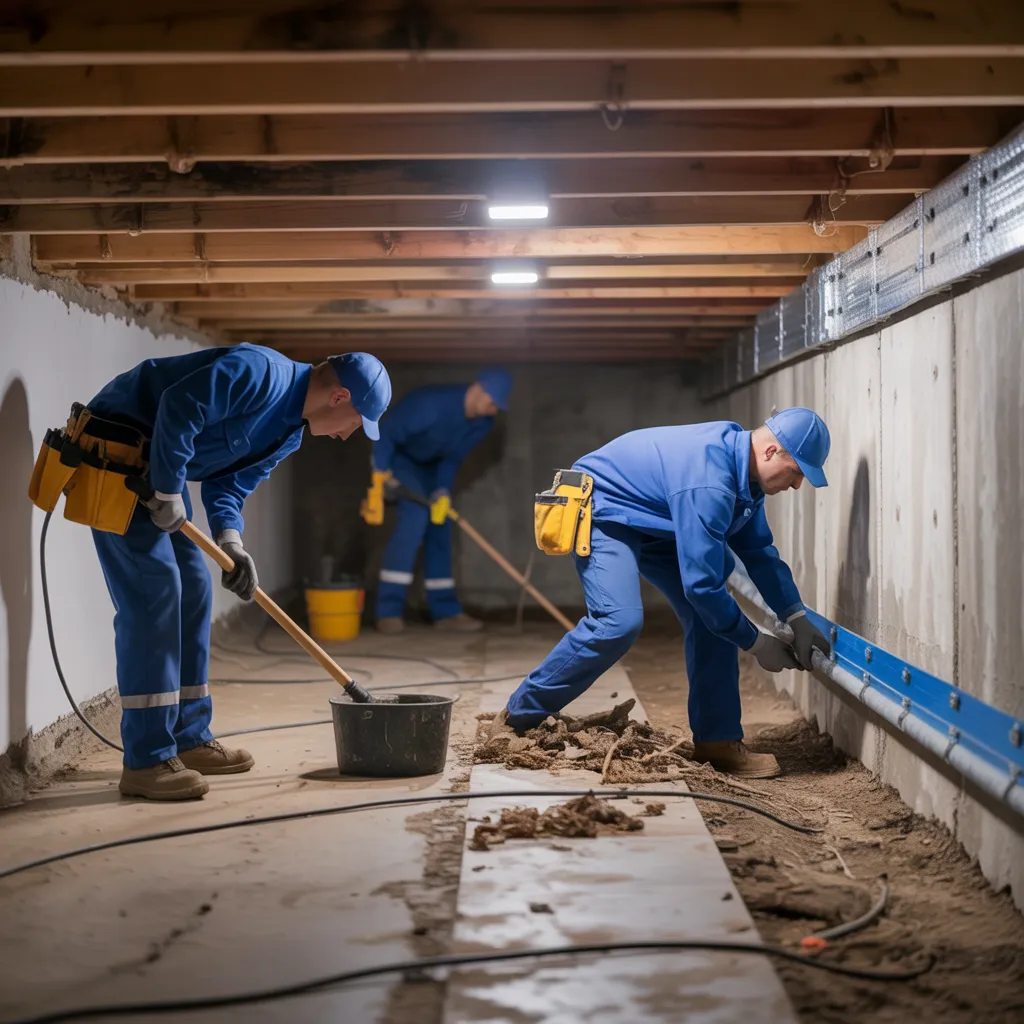
The Effects of Water Destruction to Your Property
Water damage can wreck a property, leading to significant structural and appearance-related issues. It undermines the stability of walls, ceilings, and foundations, often resulting in high-cost repairs. Prolonged exposure to moisture encourages mold growth, which brings health risks and can even deteriorate building materials. Floors may bend, and electrical systems can become hazardous when water infiltrates wiring.
Beyond structural issues, water damage affects a property's value. Homes with a record of water problems may deter potential buyers, resulting in reduced marketability. The aesthetic appeal declines as surfaces become marked or discoloured, producing an uninviting atmosphere.
In addition, the emotional burden on property owners can be significant, as they face the tension of repair work and financial consequences. Understanding these ramifications is essential for homeowners in recognizing the importance of timely intervention and expert intervention in addressing water damage competently.
Critical Steps in Water Damage Reconstruction
Successful restoration of water damage involves a systematic approach to guarantee full restoration and prevent further issues. The foundational phase is review, where professionals determine the extent of the damage and identify the source of water intrusion. Subsequently, extraction of water is carried out to clear standing water with the aid of custom equipment, reducing the risk of mold growth.
Following removal, comprehensive desiccation and humidity control are required. This step confirms that all damaged materials, such as walls and flooring, are completely dehydrated. In the next phase, cleaning and sanitizing happen to remove contaminants and odors, preserving the property's health.
Finally, repair includes repairing or replacing damaged structures and materials, returning the real estate to its original state. Each step must be performed with accuracy to ensure successful restoration and to mitigate prolonged deterioration. This comprehensive approach emphasizes the significance of professional expertise in navigating the complexities of water damage restoration.

Why Picking Credible Water Damage Solutions Is Essential
How can homeowners guarantee their homes are returned to safety and comfort after water damage? The answer depends on selecting trusted water damage services. These experts bring expertise and advanced tools vital for effective restoration. A well-regarded service not only handles immediate concerns but also assesses long-term damage, avoiding issues such as mold growth and structural instability.
Choosing a dependable vendor guarantees adherence to industry standards and regional requirements, safeguarding the structure and its occupants. Qualified experts apply advanced approaches to detect hidden dampness, an essential step in complete recovery. Furthermore, trusted services commonly extend warranties, providing assurance that the job will be completed correctly.
Ultimately, choosing a dependable water damage service can significantly affect the recovery process, resulting in quicker restoration times and reducing further damage. This careful selection is essential for guaranteeing a home comes back to its safe and comfortable state efficiently.
Need Expert Help for Water Damage?
When dealing with water damage, individuals must first evaluate the extent of the issue to determine the appropriate course of action. Investigating local services can provide options, but it is essential to assess their credentials to confirm trustworthy aid. This process helps in securing effective and trustworthy help for remediation services.
Assessing Harm Severity
Determining the degree of water-related damage is essential for determining the appropriate response and answers. Professionals often categorize damage into 3 levels: insignificant, substantial, and critical. Minor damage may involve minor leaks and shallow wetness, generally manageable with standard cleanup. Moderate damage might comprise soaked materials that require expert drying and restoration. Critical damage often results from major flooding, leading to building concerns and conceivable mold growth. Proper assessment requires inspecting affected areas, documenting the extent of damage, and identifying any hazardous materials. This meticulous evaluation not only informs the recovery process but also helps homeowners recognize the necessity of addressing the issue. Consulting experts early secures efficient recovery and minimizes long-term consequences for the property.
Investigating Nearby Offerings
Finding the appropriate assistance for flood damage can greatly influence the recovery process. Local services often provide quick responses, essential for preventing additional harm. Individuals should begin by performing comprehensive internet research, concentrating on ratings and reviews to gauge client satisfaction. Recommendations from friends or family can also lead to reliable choices. It is vital to confirm that the services are licensed and insured, guaranteeing professionalism and accountability. In addition, investigating community boards and local directories can uncover extra resources. By creating a compilation of potential candidates, individuals can better assess their choices and take educated steps. In the end, selecting the appropriate community provider can significantly reduce the weight of water damage recovery.. Through compiling a comprehensive list of viable prospects, people can more carefully assess their choices and reach informed conclusions. Ultimately, choosing the right local service can greatly reduce the strain of water restoration.| Discovering appropriate help for water damage can profoundly influence the restoration timeline. Community services customarily deliver rapid turnarounds, essential for limiting further damage. Individuals must commence by executing comprehensive online research, stressing reviews and ratings to determine satisfaction metrics. Recommendations from loved ones and friends may also lead to trustworthy alternatives. It is vital to practical guide verify that the services are licensed and insured, upholding professional standards and responsibility. In turn, exploring local directories and community boards can surface further options. By putting together a collection of prospective service providers, individuals can thoroughly evaluate their options and make informed decisions. In the final analysis, opting for the right local service can greatly ease the hardship of water restoration services.
Analyzing Service Certifications
After assembling a list of local water damage services, the next step requires assessing their credentials to guarantee dependability and skill. Prospective clients should check for certifications from established bodies, such as the Institute of Inspection, Cleaning and Restoration Certification (IICRC). These certifications demonstrate that the service provider conforms to professional guidelines and proven methods. Additionally, reviewing customer testimonials and online ratings can provide insights into the work caliber. It is also prudent to ask regarding insurance coverage and warranties, which can deliver further confirmation of professionalism and accountability. Finally, analyzing the company's years of experience in the field can help assess their capability to handle various water damage situations successfully.
What Happens During Water Damage Restoration
During water remediation, residents can anticipate a systematic approach focused on restore their space to its pre-damage condition. The process often begins with a in-depth evaluation, where professionals pinpoint the magnitude of destruction and establish an remediation plan. This is followed by water extraction services, applying specialized equipment to eliminate excess water quickly.
Once the area is dry, the focus moves to drying and dehumidification, guaranteeing that moisture is totally eliminated from substrates to inhibit fungal expansion. After intensive drying, restoration work entail restoring or exchanging impaired structures, like drywall and flooring.
Throughout this process, interaction is key; property owners are kept informed about progress and any additional findings. Finally, a thorough cleaning and sanitization step guarantees the space is safe for habitation, completing the restoration journey and allowing homeowners to return to their restored environment with confidence.
How to Reduce Potential Water Damage Risks
To prevent future water damage, it is vital to implement consistent inspections throughout the property. This preventative strategy can identify potential issues before they become severe. Additionally, establishing proper drainage solutions is crucial for directing water away from vulnerable areas.
Ongoing Service Inspections
Regular maintenance checks play an essential role in avoiding future water damage risks, as they allow homeowners to detect and resolve potential issues before they escalate. Routine inspections of plumbing systems, including pipes and fixtures, can help spot leaks or signs of wear. Additionally, checking roofs for missing shingles and ensuring gutters are clear encourages proper water flow away from the home. It is also important to examine windows and doors for seals that may be compromised, as this can lead to moisture infiltration. By scheduling regular maintenance, homeowners can take proactive steps to reduce water damage risks, ultimately saving time and money while maintaining the integrity of their property.
Appropriate Drainage Solutions
How can property owners effectively prevent water damage? Applying correct drainage measures is vital. First, checking that gutters and downspouts are clean and operational assists to direct rainwater away from the foundation. Property owners should also consider landscape grading to encourage water to flow away from the building, reducing the risk of water pooling near the base of the structure. Additionally, the installation of drainage systems like sump pumps or French drains can efficiently manage extra water in critical zones. Ongoing inspections and maintenance of these systems is key for their effectiveness. By giving priority to these drainage strategies, property owners can significantly decrease the possibility of future water damage, protecting their property from the expensive impact of water penetration. Proper drainage is a forward-thinking investment in the longevity of a home.
Commonly Raised Questions
When Should I Move Forward After Noticing Water Harm?
When you find water damage, quick response is essential. Professionals recommend addressing the issue within 24 to 48 hours to prevent mold growth and additional structural damage, ensuring a more effective restoration process and minimizing long-term consequences.
Is Water Damage Restoration Cost Paid by My Policy?
Insurance protection for water damage repair varies by coverage plan. Commonly, home insurance may cover such costs should the damage results from a covered peril. It is advisable to review the policy specifics or reach out to an agent.
Should I be required to abandon my residence during restoration occurs?
During restoration, staying in the home is contingent upon the level of deterioration and restoration work. If major renovations are needed or hazardous conditions exist, temporary relocation may be necessary for security and well-being.
What Equipment Is Applied in Water Damage Remediation?
Water damage restoration efforts typically uses equipment including industrial dehumidifiers, air movers, moisture meters, and extraction pumps. These devices combine to remove water, dry affected areas, and prevent mold expansion productively.
What Can I Do to Stop Mold After Sustaining Water Damage?
To avoid mold growth after water damage, make sure sufficient ventilation, utilize dehumidifiers, promptly dry affected areas, and clean surfaces using anti-mold products. Regularly inspect hidden spaces for moisture to keep a clean environment.